


 Close
Close



New Flag Warning System at Guardamar del Segura Beaches
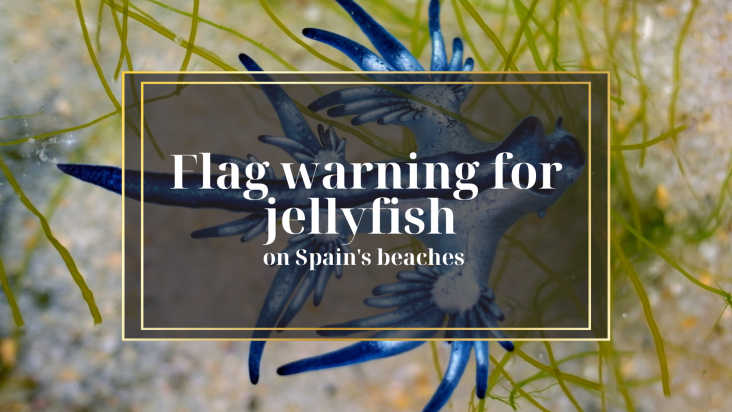
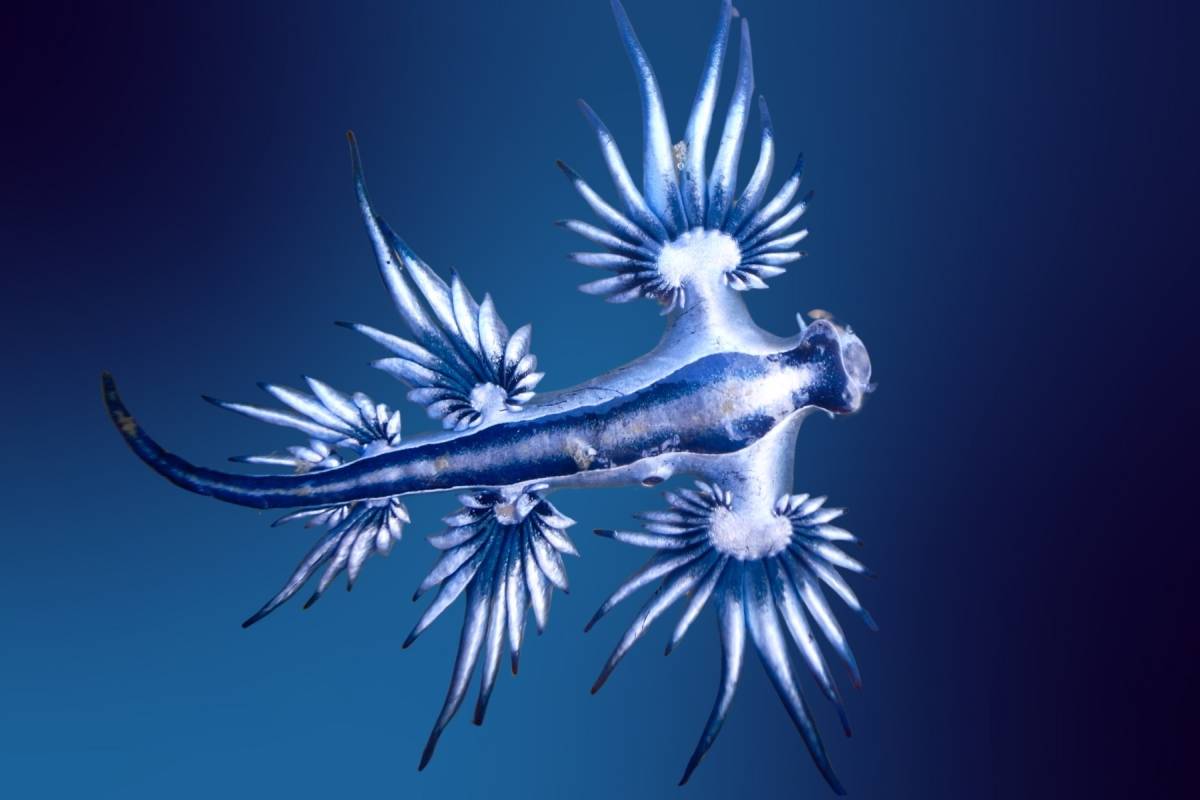
Guardamar del Segura, one of the jewels of the Costa Blanca, has introduced an enhanced flag warning system to keep beachgoers safe. The new system not only alerts swimmers to sea conditions, but also warns of the presence of jellyfish and other potentially dangerous marine species, such as the striking but venomous blue dragon sea slug.
The Flag System
Flags are the clearest and fastest way to communicate the safety of the sea to swimmers. At Guardamar, lifeguards and local authorities manage the flags daily, adapting them to weather, currents, and marine life sightings.
Standard Flags:
- Green — Safe to swim. Calm conditions.
- Yellow — Swim with caution. Moderate waves, currents, or other minor hazards.
- Red — Swimming prohibited due to dangerous conditions such as strong currents, storms, or the presence of hazardous marine animals.
New Jellyfish & Marine Life Flags:
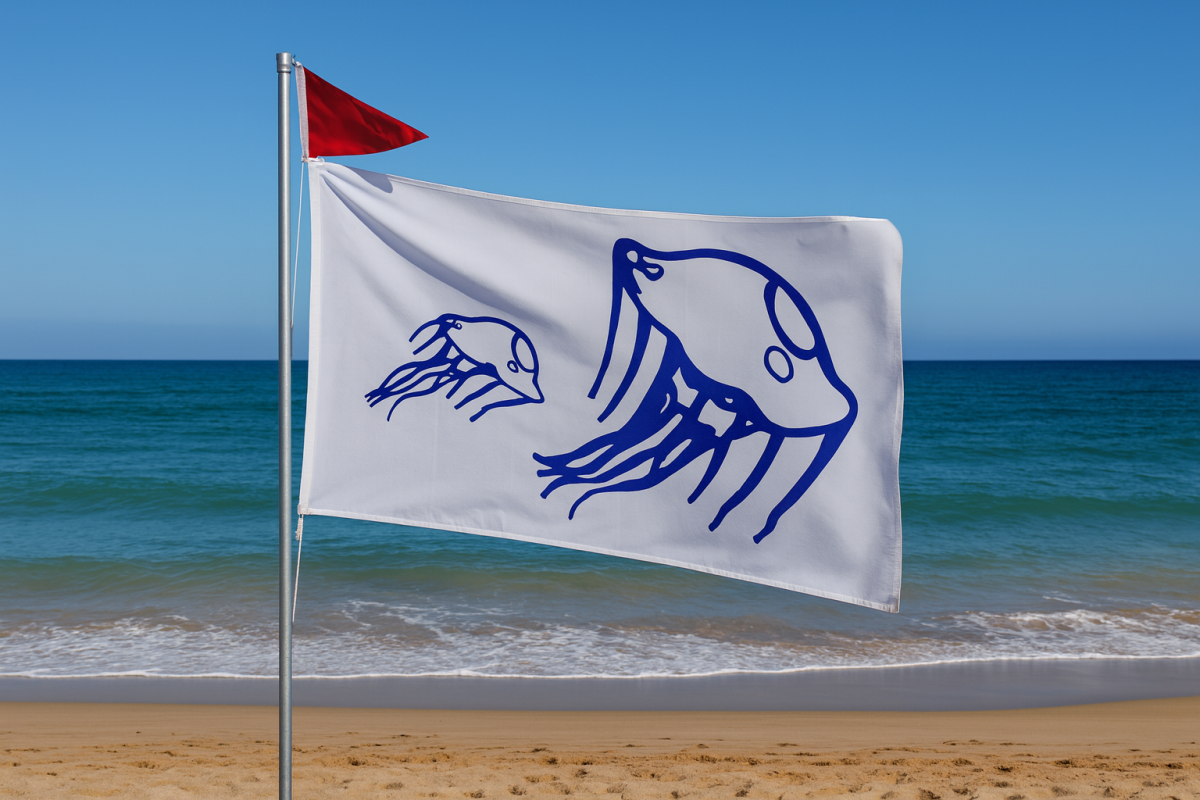
- White Flag with a Jellyfish Symbol — Indicates the presence of jellyfish in the water.
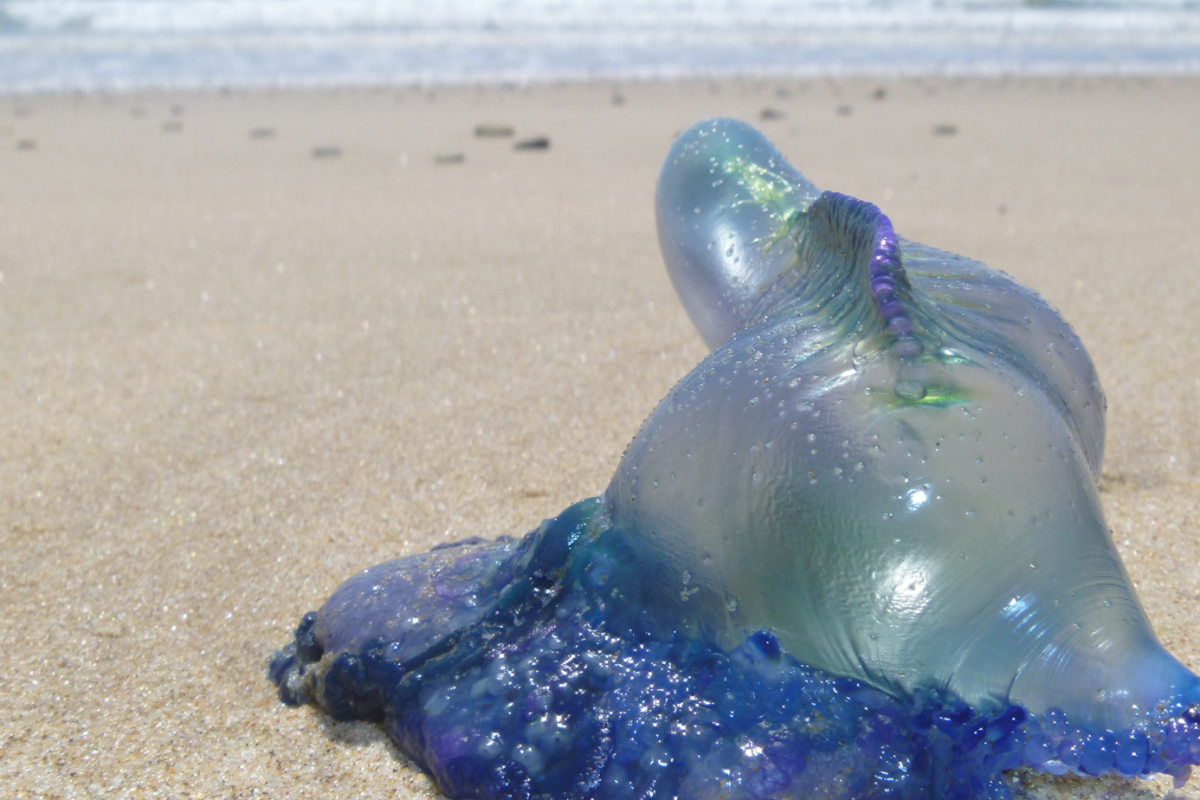
- Purple Flag — Warns of dangerous marine life (such as jellyfish, Portuguese man o’ war, or blue dragons).
You could also see
- Yellow flag + Jellyfish flag Swimming allowed, but bathers are warned about the presence of jellyfish.
- Red flag + Jellyfish flag Swimming prohibited when the number of jellyfish is so massive that bathing becomes impossible.
Why Are These Alerts Necessary?
In recent weeks, several beaches in Guardamar were temporarily closed when lifeguards detected Glaucus atlanticus, also known as the blue dragon. Although tiny (just 3–4 cm long), this spectacular sea slug carries venom from the Portuguese man o’ war, making its sting extremely painful and, in rare cases, medically serious.
To protect beachgoers, red flags were immediately raised, prohibiting swimming until the area was declared safe. In the future, the new purple and jellyfish flags will allow for more precise communication — helping the public understand when the danger is specifically due to marine life.
Jellyfish in the Mediterranean
Jellyfish blooms are a natural occurrence in the Mediterranean, especially during summer when warm waters attract species such as the Pelagia noctiluca (mauve stinger). Their stings can cause pain, irritation, and allergic reactions.
By flying the new jellyfish flag, Guardamar ensures that swimmers can make an informed choice: whether to risk a dip, take precautions (such as wearing protective swimwear), or simply enjoy the beach from the safety of the sand.
What Beachgoers Should Do
- Always respect the flag that is flying.
- Avoid swimming when the red flag is displayed.
- If you see the jellyfish flag, swim with extreme caution — or better, stay ashore.
- Never touch unfamiliar sea creatures, even if they look harmless.
- In case of a sting, rinse the affected area with seawater (not freshwater) and seek medical advice if symptoms worsen.
Raising Standards for Safety
Guardamar’s beaches already hold Blue Flag awards for their cleanliness and facilities. This updated warning system shows the town’s commitment to both safety and environmental stewardship — ensuring residents and tourists alike can enjoy the Mediterranean with peace of mind.
Quick Guide to the Flags
| Flag | Meaning |
|---|---|
| Green | Safe to swim |
| Yellow | Swim with caution |
| Red | Swimming prohibited |
| Yellow + Jellyfish | Swimming allowed, but jellyfish present |
| Red + Jellyfish | Swimming prohibited due to jellyfish swarm |
| Purple | Dangerous marine life present |
 Facebook
 Linkedin
 Twitter
 Email
Email
 Turn back